-
adminposted in News & Trends • read more
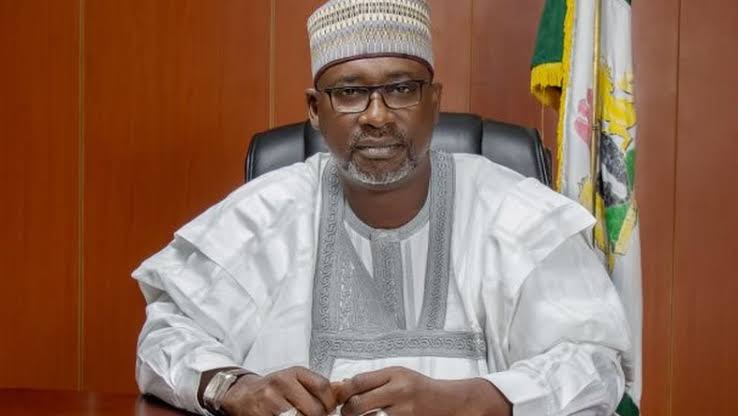
Suleiman Adamu Minister of Water resourcesBy Patricia Amogu
The Minister of Water Resources Suleiman Adamu is pressing for the quick passage of the National Water Resources Bill.
As you are aware, the National Water Resources Bill has generated a lot of controversy by those who may not have proper understanding of its contents and merits.
The debate over the bill comes against the backdrop of a situation where the countrys health is being undermined by unsafe drinking water, the minister said while giving his keynote address at the 27th regular meeting of the National Council on Water Resources (NCWR) on Thursday in Abuja.
He said the bill was the manifestation of the governments desire to ensure that the citizens derived maximum benefits from the countrys water resource endowments and potentials.
Adamu stated that the bill was the product of extensive national consultations and a consolidation of four existing laws with the countrys international obligations.
He said the passage of the bill would ensure the equitable and sustainable development, management and use of Nigerias water resources.
It is, therefore, a holistic document that contains provision for the establishment and management of all the agencies under the Federal Ministry of Water Resources, including the River Basin Development Authorities, he said.
The minister said that to salvage the bill from unrelenting onslaught and to realize its guiding philosophy, the government was actively engaging relevant stakeholders to ensure that the objectives were realized for the benefits of Nigerians.
Advocacy for the bill has been kick-started by my humble self through media briefings to sensitise members of the public on the benefits and desirability of the National Water Resources Bill, he said.
Dr Ifeoma Anyataaku, speaking on behalf of the Minister of Women Affairs, Pauline Tallen, said that the importance of water for women and the girl-child could not be overemphasized, particularly during their monthly menstrual period and for other basic hygiene purposes.
Non-availability of water can cause absenteeism of the girl-child from school, she said.
The minister urged stakeholders to double their efforts to ensure that there is quality water for the entire nation. (NAN)
Source: NAN News
-
adminposted in News & Trends • read more
Pharmacist Council of NigeriaBy Chukwuemeka Opara
The Pharmacists Council of Nigeria (PCN) says it has sealed 348 pharmaceutical premises in Ebonyi for violating various regulatory and ethical tenets governing their practice.
Mr Elijah Mohammed, Registrar of the Council, made the disclosure on Thursday in Abakaliki while briefing newsmen on activities of the council in the state.
Mohammed, represented by Mrs Anthonia Aruya, Director (Inspection and Monitoring) of the council, said that the affected premises consist of three pharmacies and 345 patent medicine shops.
A total of 556 pharmaceutical premises were visited by the council in continuation of our activities aimed at sanitising the system for enhanced service delivery.
The pharmaceutical premises we visited include 49 pharmacies and 507 patent medicine shops.
Five premises were issued compliance directives for issues ranging from sale and dispensing of ethical and prescription drugs without a pharmacists supervision.
The compliance directives were also issued to them for unhygienic environment, poor documentation, among others for public safety, he said.
The registrar said that it was an offence to break the federal government seal and people found to have broken the seals placed on their premises would be prosecuted.
The public is advised to ask for the registration status of facilities where they access their medicines.
They should request for the current annual licences issued by the Pharmacists Council of Nigeria from any pharmaceutical outlet, to safeguard themselves from patronising quacks, he said.
Mohammed said that the council had been in Ebonyi since Nov. 30 and visited several local government areas of the state such as Ebonyi, Ikwo, Ivo, Izzi, Ishielu, among others.
Ethical or prescription medicines are to be sold under the supervision of a pharmacist, while controlled medicines are to be handled by pharmacists exclusively.
All pharmaceutical outlets or premises where drugs are manufactured, warehoused, distributed, sold or dispensed must be registered and licensed by the council.
Anyone who operates outside these regulations is violating the law, as the council ensures compliance to regulations and guidelines bordering on the pharmaceutical sector, he said. (NAN)
Source: NAN News
-
adminposted in News & Trends • read more
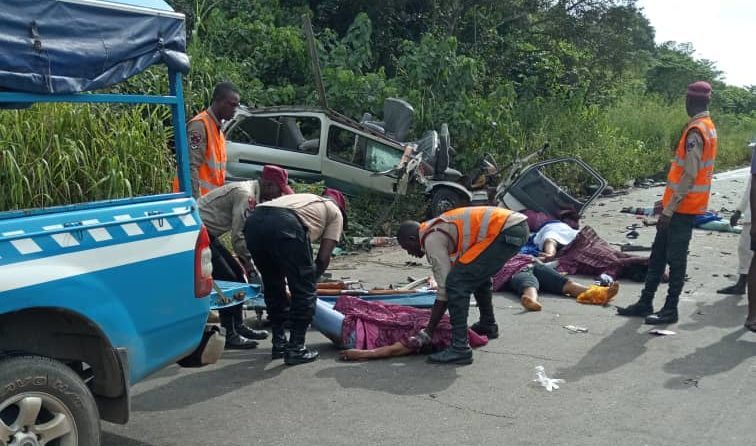
FRSC personnel at an scene of an accidentBy Bosede Olufunmi
Eight people died while six others sustained injuries, and six others escaped unhurt when a Volkswagen Sharon commercial vehicle rammed into a bus on Wudil-Bauchi highway on Thursday.
The accident happened at Dakare village in the Garko Local Government Area of Kano State.
The Sector Commander of the Federal Road Safety Corps in Kano, Mr Zubairu Mato, confirmed the development in an interview with the News Agency of Nigeria (NAN) in Kano.
We received a call at about 9:30 a.m. on Dec. 3 and we quickly dispatched our personnel and vehicle to the scene of the incident to rescue the victims at about 9:50 a.m., Mato stated.
He explained that the accident occurred as a result of over-speeding and dangerous driving.
The victims who lost their lives were male adults, while six were injured and six other escaped unhurt.
Mato said that the victims were taken to Garko General Hospital in Kano, where the doctor on duty confirmed eight dead, while six others were currently receiving treatment.
The commander appealed to motorists to obey traffic regulations and drive carefully to minimise road accidents. (NAN)
Source: NAN News
-
adminposted in News & Trends • read more

Maternal deathBy Abujah Racheal
Sustainable, scalable and equitable innovations in the healthcare system will reduce maternal deaths in Nigeria, Ms Iyadunni Olubode, a Consultant and the Nigeria Director of MSD for Mothers, an NGO, said on Thursday.
Olubode made the assertion in an interview with News Agency of Nigeria (NAN) in Abuja on the sideline of the 2020 Future of Health Conference.
The Future of Health Conference is organised by the Nigeria Health Watch and the theme for 2020 is Innovation: Improving Health and Scaling Up Healthcare Access.
The conference aims at discussing innovations and how they are needed to improve healthcare access for every Nigerian.
Olubode, said that given the countrys Maternal Mortality Rate at 512 per 100,000 live births and the exacerbating effect of the COVID-19 pandemic on maternal health outcomes, it had become clear that business as usual would not get the country there.
To meet our goals, we need strong, resilient, integrated health systems where public sector capacity is complemented by private sector innovation.
We need solutions that reflect the preferences, needs and values of the Nigerian woman; solutions that are scalable, sustainable and equitably available.
We also need the right policies environment and funding mechanisms that support these solutions.
Innovation is the key to bridging the gap from where we are to where we want to be, she explained.
Also speaking, Dr Moredreck Chibi, Regional Innovation Adviser of the World Health Organisation (WHO), Regional Office for Africa (AFRO), said that one of the challenges that could potentially inhibit innovation on the Africa continent was the digital divide.
Speaking on the critical interventions that African governments need to prioritise and bridge the divide, Chiba said that innovation thrives in a knowledge based economy where all the people have equal access to information in order to create a sustainable society.
Digital divide is one of the challenges especially in Africa as result of imbalances in terms of access to Internet infrastructure, information and knowledge.
This exacerbates inequity gaps and heavily compromises equal opportunities for economic empowerment.
Governments and other concerned stakeholders should concentrate on promoting ICT skills and digital literacy in a non-discriminative manner to ensure equal opportunities for the young and future generations.
Chibi told NAN that the provision of minimal package of interconnected and interoperable e-services that are accessible to everyone and the promotion of digital literacy should become top priority for governments.
This, he said, would ensure countries relevance for future knowledge based society.(NAN)
Source: NAN News
-
adminposted in News & Trends • read more
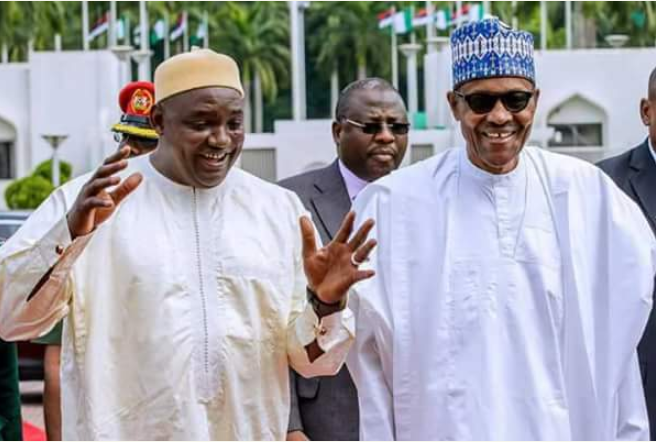
Buhari receives Adama BarowBy Ismaila Chafe
President Muhammadu Buhari has urged African leaders to always do the right thing to enhance democratic culture in the continent.
Mr Femi Adesina, the Presidents Special Adviser on Media and Publicity, in a statement, said Buhari gave the advice on Thursday when he received the President of The Republic of The Gambia, Adama Barrow.
Barrow was on a courtesy visit in the Presidential Villa, Abuja.
The Nigerian leader said it was the least the country could do to lead an ECOWAS onslaught against the sit-tight President.
Nigeria played a key role in ousting former President Yahya Jammeh who refused to accept results of the election he lost in 2016.
Buhari pledged Nigerias support to The Gambia as it prepared to go to polls next year.
The future of our countries lay in our hands. We must respect our people and appreciate their support.
And when people do the right thing, they do themselves a lot of favour.
I was in Gambia physically at least two times; it was the least we could do to stabilise the region.
We have accepted multi-party democracy and we must comply with its tenets.
By supporting you, we are supporting ECOWAS.
We are dealing with our own troubles here, but we will continue to support you bilaterally and through ECOWAS, the president was quoted as saying.
The Gambian President, while fielding questions from State House correspondents, said his visit was to thank Nigeria, once again, for its multifarious help.
Barrow noted that the support had been unflinching since he got to office in 2017.
You have given us technical support in the Ministry of Education, in the Ministry of Justice and in many other areas; we are grateful, the Gambian president said.
Barrow said his country was recovering from 22 years of dictatorship, security problems, lack of infrastructure and a parlous economy.
He said that a Truth and Reconciliation Commission was already sitting to redress injustices of the past.
There are a lot of things that are going on in The Gambia our reforms are going on..
We have the Truth and Reconciliation Commission going on and we have the security sector reform going on in The Gambia.
Basically, this is what we discussed and this is why we are here to update Mr President because Nigeria has been very, very supportive.
Nigeria has been a very good brother. Nigeria has given a big brother support in different areas; technical assistance, judicial, education sector and the economic team in The Gambia.
If you want to thank a farmer, the best place to thank him is to come to his farm; that is why we are here, to thank Mr president.
The Gambian leader said his country still needed Nigerias stabilising support.
Things would have been very difficult for us without the invaluable support you gave, Barrow said. (NAN)
Source: NAN News
-
adminposted in News & Trends • read more
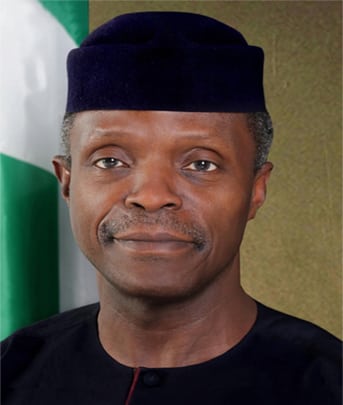
Vice President Yemi OsinbajoBy Chijioke Okoronkwo
Vice President Yemi Osinbajo says three trillion dollars is needed to bridge the infrastructural deficit in Nigeria over the next 30 years.
He said that adopting new models of investments for infrastructural development in the country was imperative as reliance on public expenditure alone was no longer sufficient to meet the needs.
Osinbajos spokesman, Laolu Akande, in a statement on Thursday in Abuja, quoted the vice president as saying these while featuring at a webinar organised by the Bureau of Public Enterprises (BPE).
The forum was to discuss measures to deepen Nigerian infrastructure stock through Public-Private Partnership (PPP).
Osinbajo said that in spite of governments interventions over the years, Nigeria still faces a huge infrastructural deficit which is constraining rapid economic growth.
The vice president made reference to statistics provided in the Nigerian Integrated Infrastructure Masterplan (NIIMP) and the Economic Recovery and Growth Plan.
The Federal Government recognises this fact which is why we are considering other approaches to complement and boost financing for the development and maintenance of infrastructure in Nigeria.
It is clear that this deficit can only be made up by private investment.
Private sector is 92 per cent of GDP while the public sector is mere eight per cent; so, the synergy between the public and private sector through Public-Private Partnerships (PPP) is really the realistic solution, the statement qouted him as saying.
Osinbajo said that the Federal Government would have to spend the entire revised 2020 appropriation of N10.81 trillion continuously for the next 108 years or more on capital expenditure (CAPEX) to meet that target.
The fact that only N2.49 trillion was appropriated for capital expenditure in 2020, reflects the importance of deliberate and pragmatic action to boost infrastructural spending.
It seems to me to be quite clear that the financial outlay and management capability required for infrastructural development and service delivery outstrip the financial and technical resources available to government.
In other words, the traditional method of building infrastructure through budgetary allocations is inadequate and set to become harder because of increasingly limited fiscal space, he said.
On the benefits of effectively implementing PPP arrangement for Nigeria, he said if properly designed and executed, PPP models would unlock innovative infrastructure financing and management in a transparent and more efficient manner.
According to him, Nigeria using PPP frameworks will benefit immensely from huge local and foreign private sector resources.
He said that the Federal Government was leveraging on the partnership with the private sector to bridge the huge infrastructure gap.
The Federal Government has recently issued a circular on the administration of PPP projects in the country to provide the much-needed clarity.
The circular re-emphasises that the BPE shall be responsible for the concession of public enterprises and infrastructure already listed in the First and Second Schedules of the Public Enterprises Act.
The circular equally stipulates that the BPE shall act on behalf of the Federal Government as the counterparty on all infrastructure projects being developed on a PPP basis, he said.
He said the Infrastructure Concession Regulatory Commission (ICRC) would continue to act as the regulatory agency for PPP transactions with powers to inspect, supervise and monitor projects and processes in order to ensure compliance with relevant laws, policies and regulations.
It is expected that this new policy direction would provide clarity to stakeholders and foster the improvement of PPP programmes in the country.
Ministries, Departments and Agencies as well as the multilateral agencies and our development partners are urged to support the PPP policy objectives and institutional arrangements already put up by government, he said.
He said that the Federal Government through the CBN, Nigerian Sovereign Investment Authority and African Finance Corporation as well as other financial institutions would be creating a N15 trillion Infrastructure Fund.
According to him, the fund will help to, not only unlock investment from local sources, but also attract foreign private investment in infrastructure development. (NAN)
Source: NAN News
-
adminposted in News & Trends • read more
By Ella AnokamThe Nigerian Maritime Administration and Safety Agency (NIMASA) has stressed the need for Nigerian cargoes to be freighted by the nationals to promote indigenous participation in maritime space, diversification and increase in international shipping trade
Dr Bashir Jamoh, NIMASA Director-General, said this on Thursday in Abuja at the NIMASA special day at the 15th Abuja International Trade Fair which had its theme as, Trade and Commerce Beyond Borders.
Jamoh, represented by Mr Momoh Alhassan, Head, Shipping Promotions Unit, spoke on Investment Opportunities for Micro Small and Medium Enterprises (MSMEs) in the Nigerian Blue Economy.
He said that for trade and commerce beyond borders to be achieved, there must be Cargo and Shipping industry.
Nigeria has cargoes and these cargoes should be carried by Nigerians to promote indigenous participation in the maritime space.
It will further promote diversification and increase in international shipping trade, such as exportation of available produce which when we utilise the capability in the country, will reduce importation of goods and services.
Conserve foreign exchange and curtail capital flight which will contribute to GDP growth and economic stability, he said .
The D-G explained that the National Shipping Policy, established under decree 10, 1987 stipulated that Nigerians should have a right of freight.
He noted that the right of freight must be up to 50 per cent of all dry cargo originating from international commercial ventures of local, state and the Federal Governments.
He said section 37, sub-section six, of the act also stipulated that the agency woulddetermine an efficient strategy for the participation of national carriers in the carriage of crude and petroleum products to and fro Nigeria.
He further said that the Nigeria Content Development Act of 2010 , was also aimed at ensuring that substantial proportion of activities in the Nigerian oil and gas industry was domiciled within the country.
This covers both upstream and downstream sectors of the sector.
These acts and policies that are favourable to indigenous players on the oil and gas sector shall be replicated in other sectors such as agriculture and solid minerals which have huge demand potential in global trade, he added.
He reiterated NIMASAs commitment through its 2007 act in promoting the development of indigenous commercial shipping in international and coastal shipping trade.
The NIMASA boss highlighted vast opportunities availed by maritime industry especially the Blue economy to MSMEs and other interested stakeholders in exploiting vast maritime potentials.
He said if the sector was well harnessed, income would accrue to small businesses in local and foreign currency, thereby collectively boosting Gross Domestic Product (GDP) .
The fair featured indoors exhibitions and virtual at Abuja Trade and Convention Centre. (NAN)
Source: NAN News
-
adminposted in News & Trends • read more

A girl being defiledBy Oluwafunke Ishola
Stakeholders at a Sexual and Gender Based Violence (SGBV) programme have called for speedy trial of rape cases in Nigerian courts toward ensuring timely justice for victims.
The stakeholders made the call during the African Centre for Leadership, Strategy and Development (Centre LSD) SGBV Projects Review and Evaluation in Lagos.
The News Agency of Nigeria (NAN) reports that the projects conducted by Centre LSD is under the joint European Union/United Nations Spotlight Initiative programme.
Spotlight Initiative is a joint EU-UN funded programme whose aim is to support a Nigeria where all women and girls, particularly the most vulnerable, live a life free from violence and harmful practices.
Centre LSD is an implementing partner under UN Women with projects in Lagos and Cross Rivers States.
The Lagos projects were implemented in six communities in Ikorodu and Yaba Local Government Areas; namely Igbogbo, Baiyeku and Ibeshe Communities in Ikorodu, while Iwaya, Adekunle and Makoko for Yaba LGA.
Speaking at the programme, Imam Masud Mohammed, General Secretary, Lagos Mainland Council of Imam, said that the slow pace of the judicial system in resolving rape cases had frustrated the efforts of many survivors from seeking justice.
Mohammed said that delay in the justice system had emboldened many perpetrators, while having a psychological effect on survivors.
A seven-year-old girl was raped in my community, and the case charged to court, however, we didnt get judgment till seven years after.
This shouldnt be; the process was frustrating and depressing for the girl, her family and interested parties, but our resolve to get justice kept us going, he said.
Mohammed thus called for special courts to ensure privacy for survivors during hearing of cases and to fast track the judicial process.
He said that the trainings conducted under the Centre LSD SGBV projects had increased the knowledge and boldness of community and religious leaders in Makoko and Iwaya to speak and take a stance against gender based violence.
Also, Chief Francis Ogunbanjo, a community leader in Iwaya, said that exposure from the training had assisted them to sensitise residents on gender based violence.
Recently, a 54-years-old man defiled a five years old girl, because of the knowledge and exposure from the training, we insisted that the issue must be charged to court.
Also, we ensure that all hotels and clubs in our community close by 12 a.m, enforcing this has reduced sexual assault and crime in the community, he said.
Commenting, Pastor Abayomi Adelakun, CDC Leader, Igbogbo/Baiyeku in Ikorodu, said that the intervention by Centre LSD had assisted the community to embark on preventive measures against SGBV.
According to him, harmful practices, domestic violence and abandonment issues against women and girls have reduced in the community,
Also, Chief Raymond Olaiya, Baale of Makoko community, said that more collaboration between all stakeholders was needed to end SGBV in Lagos, and indeed Nigeria.
Commenting, Mr Vincent Dania, Senior Programme Officer, Centre LSD, said that the programme was held to review progress on commitments, lessons learnt, success stories and emerging issues on ending SGBV against women and girls. (NAN)
Source: NAN News
-
adminposted in News & Trends • read more
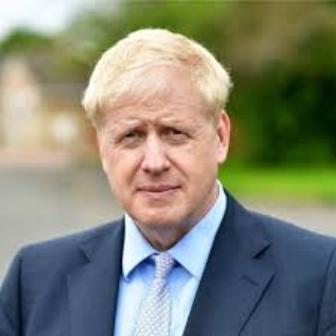
British PM, Boris JohnsonBy Lizzy Okoji
The United Kingdom (UK) has launched a number of immigration routes under its new points-based immigration system, including the skilled worker route (formerly known as the Tier 2 Visa).
The British High Commission in Nigeria disclosed this in a statement in Abuja, stating that applications for the new skilled worker visa by the UK opened on Dec. 1.
According to the mission, the launch of the new immigration routes seeks to ensure that UK businesses and universities continued to attract people from around the world, including Nigeria.
This, it added would complement the skills and talents already present in the UK.
Applications for the new skilled worker visa are now open 1 December, meaning the brightest and the best from around the world can now apply to work in the UK from 1 January 2021.
Under the points-based immigration system, points will be awarded for a job offer at the appropriate skill level, knowledge of English and being paid a minimum salary. Skilled worker visas will be awarded to those who gain enough points.
The new immigration rules will ensure that businesses can recruit the most highly qualified from across the globe to drive the economy forwards and keep the UK at the frontier of innovation.
It will also encourage employers to focus on training and investing in the UK workforce, driving productivity and improving opportunities for individuals, especially those impacted by coronavirus, the statement read.
Mr Priti Patel, Home Secretary of the United Kingdom said the government promised to end free movement, to take back control of the borders and to introduce a new points-based immigration system.
He added that the new policy meant that the government had delivered on that promise.
This simple, effective and flexible system will ensure employers can recruit the skilled workers they need, whilst also encouraging employers to train and invest in the UKs workforce.
We are also opening routes for those who have an exceptional talent or show exceptional promise in the fields of engineering, science, tech or culture, he said. (NAN)
Source: NAN News
-
adminposted in News & Trends • read more

Police in rural Cambodia are going door to door to confiscate rice wine and warn villagers about the dangers of drinking the locally brewed alcohol after a fatal mass poisoning.Officers in Kampong Chhnang have been ordered to visit every house as part of the province-wide crackdown, the Khmer Times reported on Thursday, quoting provincial police chief Lt.- Gen. Khov Ly.
The efforts follow the deaths of eight people and the poisoning of more than 130 by tainted rice wine.
The cases were linked to a funeral held on Saturday.
The newspaper reported that authorities had formally arrested three people and were questioning eight more related to the production and distribution of the fatal batch.
The Ministry of Commerces department of consumer protection on Wednesday announced that tests of wine from the scene and from eight local production sites returned several samples that contained methanol levels of between 10 and 17 per cent.
The levels far exceed the legal limit of 0.14 per cent.The Khmer Times reported that health officials suspect the well water contaminated by pesticides could be to blame.(dpa/NAN)
Source: NAN News
-
adminposted in News & Trends • read more

By Isaiah EkaThe Akwa Ibom Government has cancelled the hosting of this years annual Christmas Carol festival to curtail the spread of Coronavirus (COVID-19) in the state.
The cancellation was made known in statement issued by the Commissioner for Culture and Tourism, Mr Orman Esin, in Uyo on Thursday.
Esin said this was due to the outbreak of the COVID-19 pandemic, which he noted had hindered preparations for the festival, which usually takes about six months ahead.
He said that in obedience to the WHO, NCDC and the State Government protocols on social distancing and the threat of a second wave of the virus, the festival had to be put on hold.
The Government of Akwa Ibom State wishes to inform the general public that the 2020 Edition of the states award winning Christmas Carols festival has been cancelled.
This development is hinged on the logistics challenge posed by the global lockdown and international travel restrictions caused by the COVID-19 pandemic, in addition to the bourgeoning threat of a second wave of the virus.
As expected of world class event of that magnitude, its preparation starts at least six months before the date.
The global travel restrictions and closure of factories earlier in the year, made it impossible to commence the planning of this annual soul lifting spiritual event this year.
The government deeply regrets this development and urges citizens to take personal responsibility, in addition to government restrictions, to prevent the transmission of the dreaded virus, he said. (NAN)
Source: NAN News
-
adminposted in News & Trends • read more

By Philip YataiThe Care and Action Research Non-Governmental Organisation (CaRE-NGO) has trained 150 residents of Sabon Tasha, Kaduna on Climate Smart Agriculture (CSA), urban agriculture, and home gardening.
Prof. Bala Dogo, the Coordinator of the project, said at the opening of the training in Kaduna on Thursday that the goal was to empower the community with smart agriculture techniques for food production.
Dogo said that the training was supported by the Global Environment Facility (GEF)-Small Grant Programme (SGP) Nigeria and was implemented by the United Nations Development Programme.
He said that the GEF-SGP Nigeria launched in 2009, supports non-governmental and community-based organisations in the country to protect the environment, while generating sustainable livelihoods for the poor and the marginalised.
According to him, CSA is an approach that guides actions to transform agricultural systems to effectively support development in communities and ensure food security in changing climate.
While urban agriculture is the practice of farming within the boundaries of towns or cities, he said.
He said that the participants would be trained on CSA, urban agriculture, roof-top farming, raising of seedlings, land preparation for heaps using sacks, local chicken production, and dry season farming of vegetables.
Other areas include grass cutter, rabbit and snail farming, fertilizer production from eggshells, yam cultivation in sacks and other forms of agricultural practices in available spaces in homes.
After the training, the 150 trainees, made up of youths and women groups, farmers associations and tribal unions, will come up with action plans, and would be expected to train others.
CaRE-NGO CSA Resource Centre will supervise their activities and provide the needed guidance and technical support, he said.
Dogo said that CSA, urban and home gardening would provide a huge opportunity for farming households to sustain food production in little spaces in their homes and urban centres, while protecting the climate and the environment.
We at CaRE-NGO want people in the Sabon Tasha community to know that within the little space in and around their houses, they can do a lot of farming activities using climate smart agriculture.
With little space and water households can produce vegetables, grow fruit trees, keep grasscutters, rabbits, fish, poultry, pigs, goats and other livestock.
Water from the fishpond can be used to water the garden, chicken drops to feed the fishes, while dung from livestock can be used as organic fertilizer for backyard garden or greenhouse, he said.
The News Agency of Nigeria (NAN) reports that the NGO unveiled a Greenhouse constructed and demonstrated how to produce all kinds of vegetables and nurseries for fruit trees and other crops.
The NGO also inaugurated a borehole constructed and donated to it and its host community by GEF-SGP Nigeria. (NAN)
Source: NAN News
-
adminposted in News & Trends • read more

By Cecilia OlogunagbaThe Minister of Health, Dr Osagie Ehanire and other experts will on Friday converge on Nasarawa to take stock of the coverage of the COVID-19 pandemic in the country by Nigerian media organisations.
Ehanire will speak alongside other experts at a two-day workshop organised by the Association of Nigerian Health Journalists (ANHEJ) with the theme COVID-19 Reportage Assessment Meeting.
The workshop aims to appraise efforts of the Nigerian media, especially health reporters in their reportage of the COVID-19 pandemic, according to a statement by Mr Hassan Zugi, the ANHEJ President.
He stated that the minister would deliver the keynote address titled X-raying Media Activities During COVID-19 Pandemic: Federal Ministry of Healths Perspective,
alongside other resource persons from the health sector and international organisations.He noted that Nigerian health reporters, caught between the right to safety, passion, fear, emotions and obligations to employers constantly demanding news content, continued
to show resilience in upholding the tenets of the profession.He explained that health reporters constantly educated and informed the masses of the disease, monitored global COVID-19 infections and recoveries, vaccines production, and the need to adhere strictly to laid down guidelines to contain the spread of the virus.
The workshop would, therefore, assess the sudden emergence of the coronavirus disease and how media professionals stayed afloat by providing relevant information to the public.
It would also assess media professionals positions as opinion leaders to shape behavioural change patterns, ensure safety from the virus, demand accountability from government, and guarantee that COVID-19 pandemic did not override other life-threatening health issues as well as for citizens to have access to adequate healthcare services.
He regretted that the COVID-19 pandemic disrupted activities in all sectors globally as leaders, governments and captains of industries continued to grapple with strategies to limit the impacts of the disease.
While the number of reported cases in Nigeria is showing a downward trend, there have been projections of a second wave of the COVID-19 pandemic, which is already forcing some developed countries, especially in Europe and the U.S., to reintroduce lockdowns and other stringent measures for containment.(NAN)
Source: NAN News
-
adminposted in News & Trends • read more

The UN Commission on Narcotic Drugs (CND) has taken a number of decisions leading to changes in the way cannabis is internationally regulated, including its reclassification out of the most dangerous category of drugs.In reviewing a series of World Health Organization (WHO) recommendations on marijuana and its derivatives, the CND zeroed in on the decision to remove cannabis from Schedule IV of the 1961 Single Convention on Narcotic Drugs where it was listed alongside deadly addictive opioids, including heroin.
A UN statement said the CNDs 53-Member States voted to removed cannabis where it had been placed for 59 years from the strictest control schedules, that even discouraged its use for medical purposes.
With a historic vote of 27 in favour, 25 against, and one abstention, the CND has opened the door to recognising the medicinal and therapeutic potential of the commonly-used but still largely illegal recreational drug.
Moreover, the UN statement said the decision could also drive additional scientific research into the plants long-heralded medicinal properties and act as catalyst for countries to legalise the drug for medicinal use, and reconsider laws on its recreational use.
Back in January 2019, WHO unveiled six WHO recommendations surrounding the scheduling of cannabis in UN drug control treaties.
The statement said while the proposals were originally set to be voted on during the CNDs March 2019 session, many countries had requested more time to study the endorsements and define their positions, according to news reports.
Among WHOs many points, it clarified that cannabidiol (CBD) a non-intoxicating compound is not subject to international controls. CBD has taken on a prominent role in wellness therapies in recent years, and sparked a billion-dollar industry.
Currently, more than 50 countries have adopted medicinal cannabis programmes while Canada, Uruguay and 15 US states have legalised its recreational use, with Mexico and Luxembourg close to becoming the third and fourth countries to do so. (PANA/NAN)
Source: NAN News
-
adminposted in News & Trends • read more

NSEBy Itohan Abara-Laserian
The Nigerian Stock Exchange (NSE) has announced that the revised Stamp Duty on securities transactions to 0.08 per cent from 0.075 per cent, will take effect from Dec. 7.
This is contained in a notice by the NSE made available to the News Agency of Nigeria (NAN) on Thursday in Lagos.
According to the notice, the change is necessitated by the classification of Contract Notes as an ad valorem tax by the Federal Inland Revenue Service (FIRS).
The notice read in part: As a responsive self-regulatory organisation, the NSE is committed to enforcing rules and ensuring compliance with regulations and other applicable government requirements.
While it had maintained a stamp duty rate of 0.075 per cent in line with what was obtainable in the Nigerian capital market, it is imperative that the FIRS stamp duty regime of 0.08 per cent onsecurities transactions is applied.
To this end, the Central Securities Clearing System Plc (CSCS) will adjust its system to implement the automated deduction of the Stamp Duty rate of 0.08 per cent from Monday, Dec. 7.
The Exchange has also issued the requisite guidance to Dealing Member Firms to put in place the necessary measures to ensure compliance and communicate this change to investors in a timely manner.
Capital market stakeholders requiring further information can refer to the market circular issued by the Exchange on 17 November captioned Administration of Stamp Duty on Securities Transactions, which can be accessed on NSEs website.
Investors are also advised to contact their respective stockbrokers for more information or clarification, it read. (NAN)
Source: NAN News
-
adminposted in News & Trends • read more

NSEBy Chinyere Joel-Nwokeoma
The nations bourse on Wednesday shed its gaining streak due to sell pressure in large capitalised stocks as the All-Share Index recorded the first loss in seven consecutive trading sessions.
Consequently, the All-Share Index lost 90.80 points or 0.26 per cent to close at 35,056.82 against 35,147.62 recorded on Tuesday.
Also, the market capitalisation which opened at N18.364 trillion dipped N42 billion to close at N18.322 trillion.
The downtrend was driven by price depreciation in medium and large capitalised stocks including Nigerian Breweries, Chemical and Allied Products, Guaranty Trust Bank, Northern Nigeria Flour Mills (NNFM) and Flour Mills.
Market sentiment as measured by market breadth was negative, with 22 losers and 19 gainers.
C
-
adminposted in News & Trends • read more

By Muhyideen JimohThe Minister of Youth and Sports Development, Mr Sunday Dare, has charged the Flying Eagles to make Nigeria proud by winning the WAFU U-20 competition in Benin Republic.
Dare gave the charge on Wednesday when he paid a visit to the teams training camp in Abuja.
The minister urged the team to display the Nigerian spirit of resilience and determination to win the tournament which starts on Saturday in Cotonou.
The Flying Eagles have always made us proud, go there and make Nigerians proud.
We believe you are young, talented and determined. Your coaches have impacted much on you, go there and come back victorious, he said.
Coach of the team, Ladan Bosso, assured that the team was ready to do the nation proud in spite being in a tough group.
The News Agency of Nigeria (NAN) reports that the team is expected to depart for the competition on Friday via Lagos to Cotonou.
Nigeria are drawn in Group B alongside Ghanas Black Satellites and the Junior Elephants of Cote dIvoire.
Nigeria plays her first match against Cote d Ivoire on Sunday.
The WAFU Zone B Cup in Benin Republic serves as qualifiers for the 2021 U-20 AFCON in Mauritania, where the U20 World Cup tickets will be decided. (NAN)
Source: NAN News
-
adminposted in News & Trends • read more

COVID-19 Vaccine ResearchBy Cecilia Ologunagba
The International Committee of the Red Cross (ICRC) on Wednesday advocated equitable access to Coronavirus (COVID-19) vaccine, especially for people affected by armed conflict.
The ICRC made the appeal in a statement posted on its website.
According to the humanitarian agency, as vaccines for COVID-19 become available, ICRC hopes to ensure that people affected by conflict and violence have access to it.
We hope that people affected by conflict and violence who might otherwise be forced to the back of the line or forgotten all-together, also have equitable access to the vaccine.
For people living in conflict areas, access to basic health services is often challenging or impossible. These populations are just as vulnerable to COVID-19 and deserve to be protected from this severe health menace.
In addition, the ICRC estimates that more than 60 million people live in areas controlled by non-state armed groups, risk not being included in national vaccine distribution frameworks.
Marginalised communities, including internally displaced persons, migrants, asylum seekers and detainees, must also be included in national vaccination programmes and be recognised as people in need of the health protections the vaccine will provide.
The statement quoted Robert Mardini, ICRCs Director-General, as saying health workers or someone with a compromised immune system in regions affected by armed conflict endure the double burden of conflict and COVID-19 in often-forgotten and neglected areas.
We believe that people there should have the same right and access to the vaccine as others do.
In conflict settings, poor health capacities due to the breakdown or destruction of health services, lack of health personnel, precarious infrastructure and disputed borders might hamper vaccine distribution.
Reaching front-lines and areas controlled by non-state armed groups bring complications such as difficult logistics, the need for travel permissions and reduced availability of electricity and refrigeration.
Restrictive measures and sanctions may impede access to these areas.
In addition, the statement noted that together with the International Federation of Red Cross and Red Crescent Societies (IFRC), the ICRC would support Red Cross and Red Crescent National Societies to support vaccination programme.
The ICRC will support other Red Cross movement as they have a leading role in carrying out vaccination programme and distributing the COVID vaccine in their respective countries.
According to the statement, the ICRC is ready to support national vaccination campaigns and facilitate access to the COVID-19 vaccine by populations in countries affected by armed conflict and violence.
Also, the ICRC is ready to use its privileged position and offer its services as a neutral intermediary to ensure access to the vaccine for people living in conflict zones, in areas not under governmental control and in places of detention.
Excluding these populations from a COVID-19 vaccine presents a clear risk since no one will be safe until everyone is safe.
The ICRC, however, requested that states should ensure the inclusion of populations in humanitarian settings in national vaccination frameworks.
States support Red Cross and Red Crescent National Societies, which have a key role in COVID-19 vaccination; states should maintain and strengthen routine immunisations and essential health services.
Measles and polio campaigns have been suspended in dozens of countries, and at least 80 million children under age one are at risk of diseases with significant mortality such as measles, diphtheria and polio.
Whilst a COVID vaccine is urgent, other vaccines are also most needed and must be provided.
ICRC stated that Community members, Red Cross/Red Crescent volunteers and religious and community leaders should be invited to help design and implement vaccine mobilization plans.
Engaging communities and providing them with accurate information will be critical for the success of COVID-19 vaccination programmes and the safety of health personnel.
The statement further quoted Mardini, as saying, together with our Red Cross and Red Crescent Movement partners, the ICRC is ready to contribute to the distribution of the COVID-19 vaccine.
ICRC is ready to contribute to the distribution of COVID-19, especially in areas affected by conflict and last-mile areas along the frontlines, as well as in places of detention.
We will also prioritise routine vaccinations and work to provide reliable information about vaccines. (NAN)
Source: NAN News
-
adminposted in News & Trends • read more

The Senate has urged the Federal Ministry of Health and the National Arbovirus and Vector Research Centre (NAVRC) to investigate the outbreak of an unidentified ailment in Ogbadibo Local Government Area of Benue.The upper chamber of the National Assembly also urged the Nigeria Centre for Disease Control (NCDC) to promptly put up surveillance to contain the disease and see to the treatment of victims, while protecting others from further contracting it.
The resolutions followed the adoption of a motion sponsored by Sen. Abba Moro (PDP-Benue) during plenary on Wednesday.
The motion is tagged: Urgent need to deal with the outbreak of a strange ailment said to be Yellow Fever ravaging Okpeilo-Otukpa and Itabano-Owukpa communities in Ogbadibo Local Government Area of Benue.
Moving the motion, Moro said that the ailment had not yet been effectively diagnosed by health authorities.
He, however, said that the Benue State Ministry of Health and Human Services had been able to intervene to some extent, having collected samples and sent same to National Reference Laboratory.
The lawmaker said this was to establish the kind of organism that was causing the ailment.
He said that the death toll was increasing, adding that the disease was spreading to other communities.
The resolutions were unanimously adopted by the lawmakers after a voice vote pronounced by the President of the Senate, Ahmad Lawan.
The News Agency of Nigeria (NAN) reports that the Benue state government had said no fewer than 17 lives were lost in the communities in November.
Some of the symptoms of the illness include fever, abdominal pain, and general body weakness, while some stool and vomit with traces of blood. (NAN)
Source: NAN News
-
adminposted in News & Trends • read more
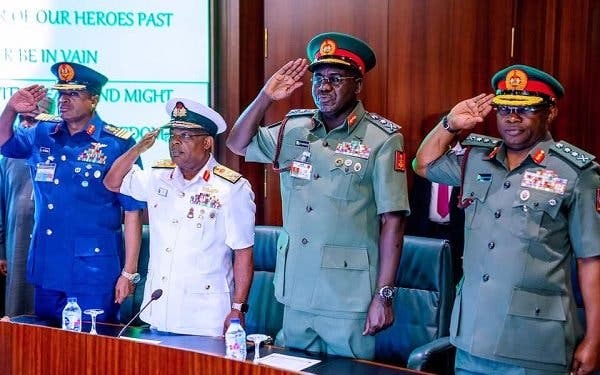
Stakeholders laud security agencies role in managing COVID-19 pandemicBy Sumaila Ogbaje
Stakeholders have commended security agencies in the country for playing important roles in the management of national emergencies such as the global coronavirus (COVID-19) pandemic.
They gave the commendation at the National Conference on The Roles of Nigerias Security Agencies in the COVID-19 Pandemic Environment, organised by the National Defence Collage (NDC) on Wednesday in Abuja.
The conference was organised in conjunction with Africa Global Empowerment and Development Network (AGED Network), a Non-Governmental Organisation.
The Commandant, NDC, Rear Adm. Mackson Kadiri, said the conference was organised to raise awareness and understanding of how the security community should engage with the citizenry in managing national emergencies like the COVID 19 pandemic.
Kadiri said that the security agencies had exhibited professionalism, accountability and restraint in their engagement with the civil populace.
He said that there was a need to enhance and infuse new thinking by stakeholders towards promoting good relations between members of the security agencies and the general society.
According to him, the NDC has recognised the need for this and has been at the forefront of promoting best practices for Nigerias security sector.
How the security community should engage with the citizenry, especially when it comes to managing national emergencies, like the COVID 19 pandemic, he said.
The President, AGED Network, Dr. Bala Kotangora, said the conference was apt in view of the fact that the nations security equipment and personnel had been stretched beyond the elasticity of human capacity.
Kotangora said the advancement of COVID-19 had disengaged more security operatives from their usual and daily schedule of duties, adding that the situation had in-turn led to increase in crime rate.
While commending the efforts of security services in ridding the society of crimes and criminalities, he urged them to show doggedness and embrace the new challenges as they evolve.
He explained that the networks core mandate was to assist security agencies in the area of provision of modern equipment as well as supporting to enhance the welfare of the personnel through its welfare programmes.
He said the organisation had signed a memorandum of understanding with the NDC with the primary purpose of advancing security sector reforms and synergy.
The Country Representative, International Crisis Group, Mr Nnamdi Obasi, said that the roles of security agencies were expanded as a result of the global health challenge occasioned by the COVID-19.
Obasi, who delivered a paper titled; Security Agencies in Global Response to COVID-19 pandemic, Roles and Issues, said the security agencies acted beyond their normal mandates.
He said that their roles that included providing planning support to local administration, facilitating enabling responses like logistics, repatriation of nationals and boosting health services as well as enforcing containment protocols and regulations.
According to him, there were issues in involvement of security agencies in the management of the pandemic such as reallocation of human resources from their core mandate among others.
The News Agency of Nigeria (NAN) reports that the conference has participants drawn from the security agencies, civil society organisations and government agencies among others.
Source: NAN News